Our Programmes
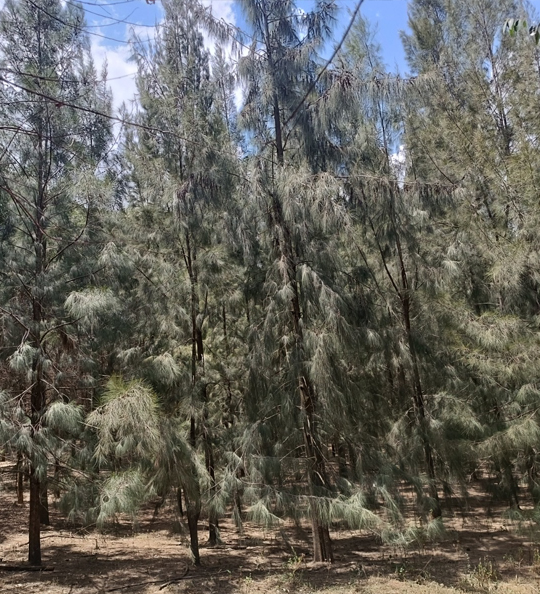
FOMAWA focuses on "Growing Trees With Communities in Schools and on Farms" in the Mau region. The aim is to address the deforestation of the Mau Forest by encouraging schools and smallholding farmers adjacent to forests to plant sustainable woodlots. This significantly reduces the pressure on the Indigenous forest as a source of firewood and charcoal.
Conserving a Key Ecosystem
The Mau Forest is a critical ecological treasure, playing a central role in biodiversity preservation, water catchment, and climate stabilization in Kenya. However, it has faced decades of degradation due to deforestation, illegal logging, and unsustainable exploitation.
The degradation of the Mau Forest has had catastrophic environmental, economic, and social consequences:
- Water Scarcity: Significant depletion of water levels in rivers such as the Ndarugu, crucial for agriculture and community livelihoods.
- Climate Instability: Unpredictable rainfall patterns and increased vulnerability to climate change.
- Biodiversity Loss: Encroachment and logging have devastated wildlife habitats, endangering species and ecosystems.
- Community Struggles: Local populations dependent on forest resources face diminishing opportunities for sustainable livelihoods.
Our Objectives
Through our focus on "Growing Trees With Communities in Schools and on Farms" in the Mau region, we aim to:
- Contribute to environmental conservation and climate change mitigation
- Promote best practices in tree cultivation
- Enhance livelihoods by generating income through commercial forestry and generate additional income for small holder farmers
- Reduce the gap between supply and demand for timber in Kenya.
FOMAWA’s Two Decades of Action
FOMAWA has emerged as a key player in mitigating these challenges. By implementing community-driven, sustainable forestry initiatives, the organization has made remarkable strides:
1. School-Based Tree Planting Programs:
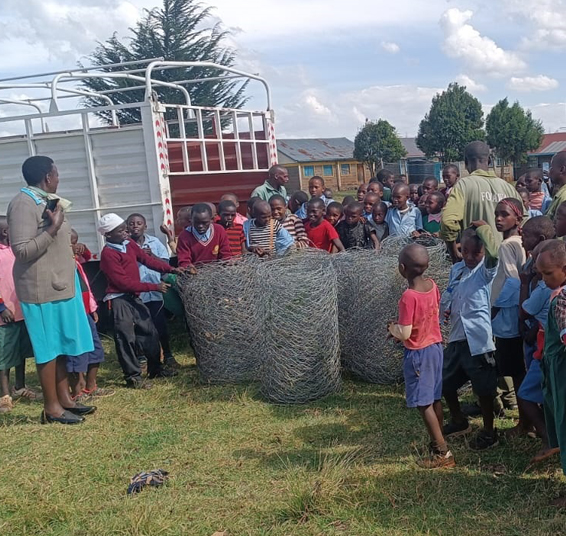
- Over 184 schools engaged, resulting in Over 85,654 trees planted.
- Reached approximately 20,000 parents and students, fostering a new generation of environmental stewards.
2. Community Outreach and Capacity Building:
- Conducted over 300 workshops, averaging 70 participants per session.
- Trained over 10,000 households and over 5,000 farmers in sustainable forestry practices. Through these initiatives, the tree population has increased in the region.